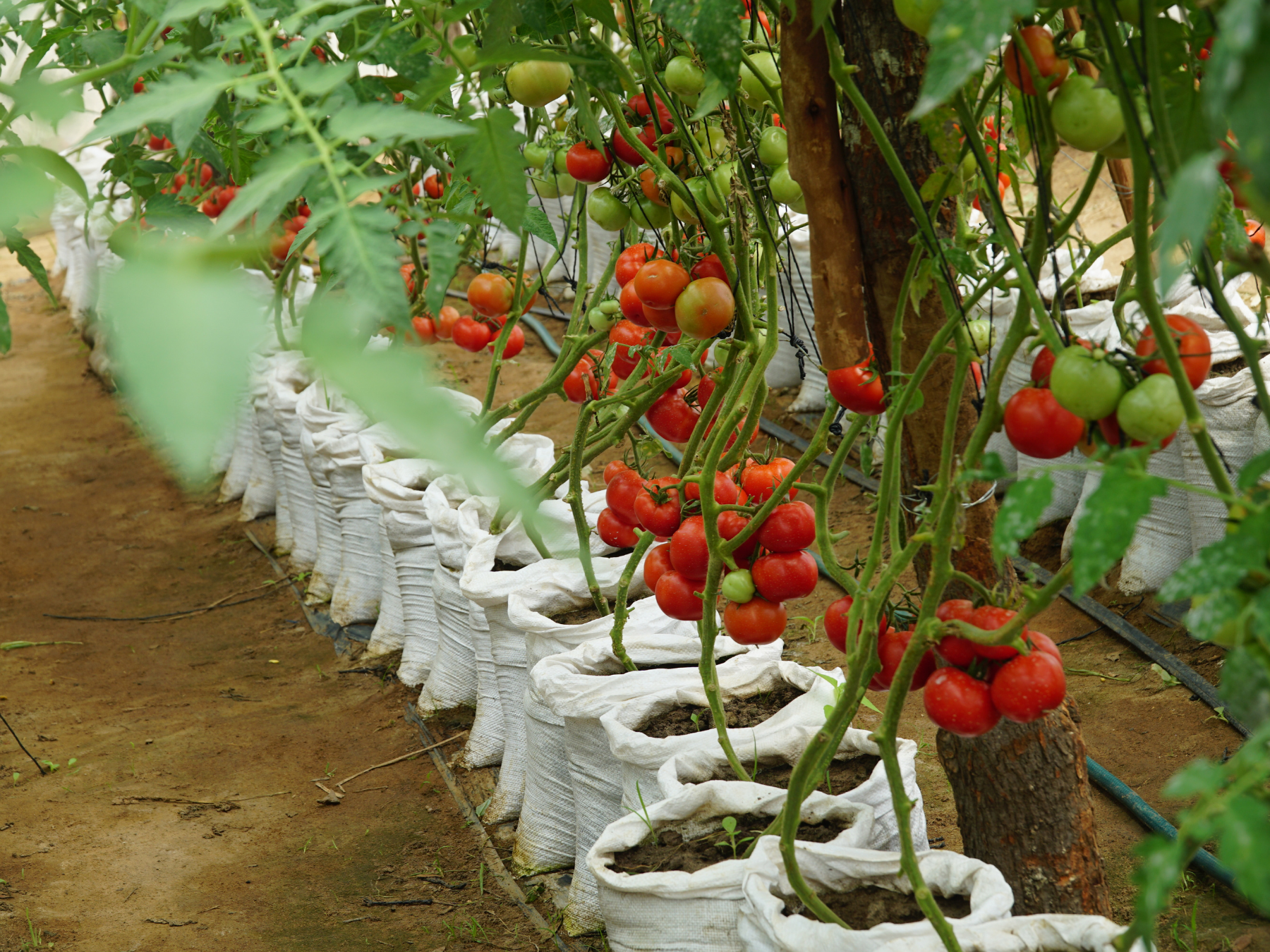
For families facing food scarcity, having enough food today is important—but having the resources and knowledge to provide food for years to come can change everything.
That is the heart of Healing Hands International’s Hunger to Harvest program. Through agricultural training and a variety of community-based farming projects, HHI works alongside rural families to increase food security, improve nutrition, and create sustainable opportunities for families to thrive.
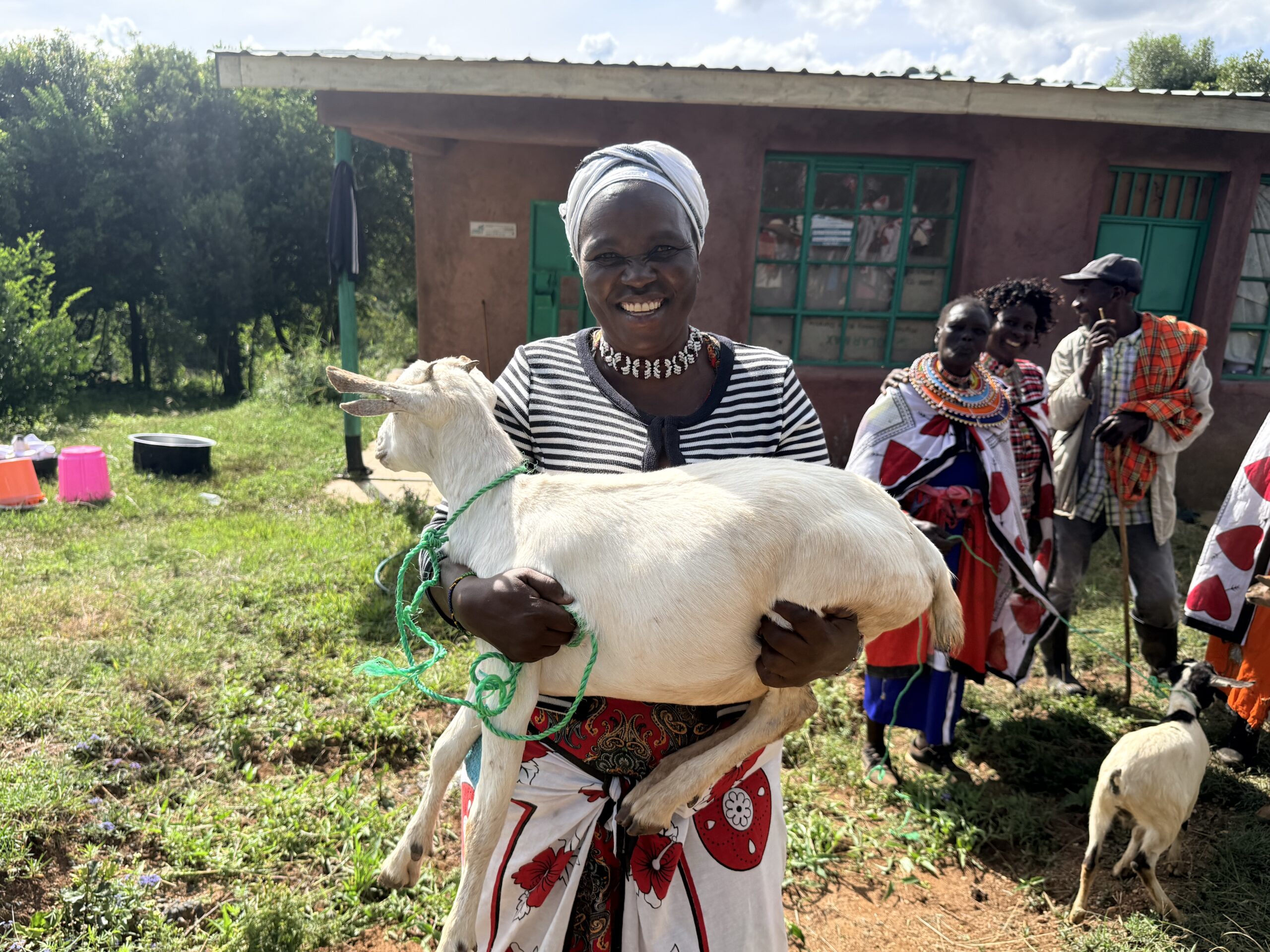
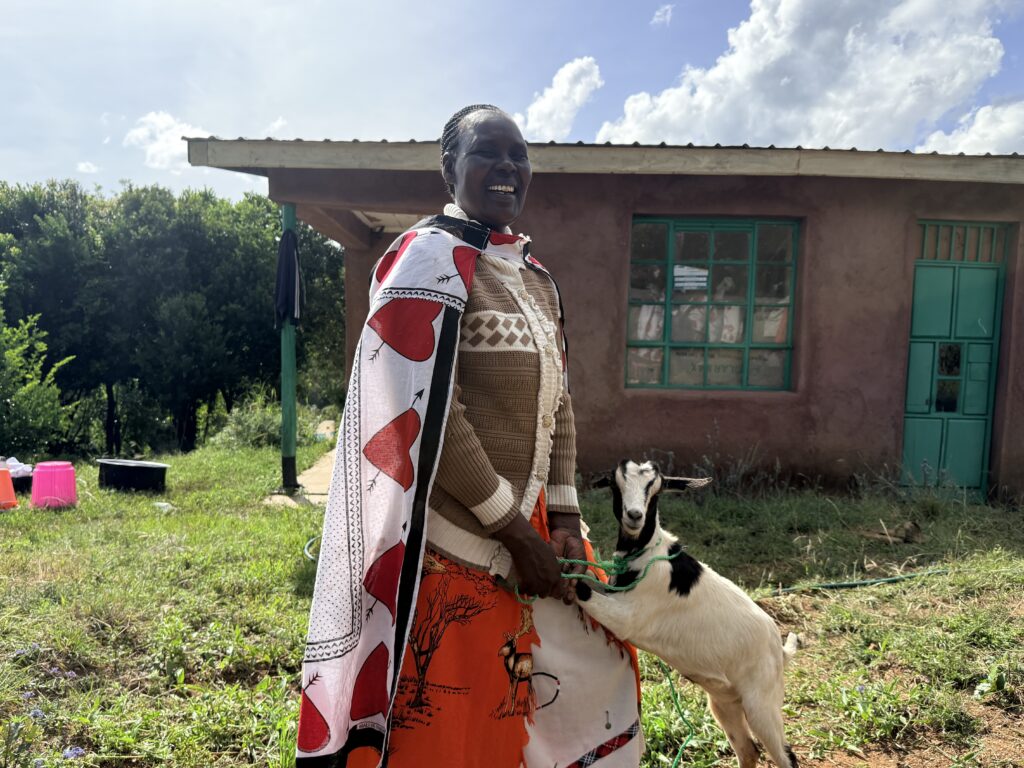
One recent example is the Osunguroi Goat Project in the Chumvi community of Laikipia, Kenya, where farmers—many of them women—received breeding goats along with training in proper goat husbandry.
These goats provide more than milk and meat. They can become a source of income and an asset that families can use to build greater economic resilience.
A Goat That Keeps Giving
When a farmer receives a goat, the goal is for that family to care for the animal, allow it to reproduce, and then pass one of its first female offspring to another participating family within approximately 18 months.
That second family then raises the goat until it begins reproducing and passes one of its first female offspring to another family.
And the cycle continues.
What begins with one goat can eventually reach family after family throughout a community. This model creates a sustainable cycle of generosity, collaboration, and asset building—allowing families to become participants in one another’s progress rather than simply recipients of assistance.
The goats also provide important nutritional benefits. Families can consume nutrient-dense milk and protein while selling milk, meat, or additional offspring to generate income.
For families living in areas vulnerable to drought, flooding, and other climate-related challenges, these additional sources of food and income can provide an important measure of resilience.
One mother, Ann, who received a goat in the Osunguroi community shared: “I am glad to get a goat and I thank Healing Hands International for this generous gift. In fact, it is an answered prayer for my family because in the recently ended rain season, flood water swept away our livestock. Thank you.”
Another recipient, Jane, shared: “I am thankful for Healing Hands International because you have assisted us as a group, and my family is very thankful. Now, I am blessed with a goat. As a Maasai woman, we don’t own livestock, but this has given me a big opportunity.”
These quotes illustrate why projects like these matter. A goat is not simply an animal—it can represent food for a family, income for a household, and an opportunity to begin rebuilding after a devastating loss.
More Than Goats
The goat project is just one of several types of special projects HHI implements alongside regular agricultural training to address food scarcity, food protection, and food security.
Depending on the needs of a community, HHI also assists with projects such as:
- Fruit tree and banana projects, providing families with long-term sources of nutritious food and potential income.
- Fencing projects, helping protect crops and food sources from livestock and other threats.
- Pig projects, providing another opportunity for families to build livestock assets and diversify their income.
- Maize farming plots, helping communities increase local food production.
- Water pumping machines, providing access to water that can support agricultural production and help communities overcome challenges related to water availability.
These projects are implemented alongside agricultural training, equipping farmers not only with resources but also with the knowledge and skills they need to use them effectively.
From Hunger to Harvest
Sustainable development happens when families have the opportunity to build on what they have been given.
A goat produces offspring. A fruit tree continues to produce fruit. A well-protected garden produces vegetables. A water pump makes agricultural production possible. And agricultural training gives farmers the knowledge to make those resources productive.
Together, these efforts create something much bigger than a single harvest.
They help families improve their nutrition, diversify their income, protect their food sources, and become more resilient when challenges come.
That is the vision behind Hunger to Harvest: walking alongside communities as they move from simply trying to find enough food to building sustainable farming opportunities that allow families and villages to thrive.